


Author of this article & Founder of Wynn Essentials & Author, Speaker, Consultant
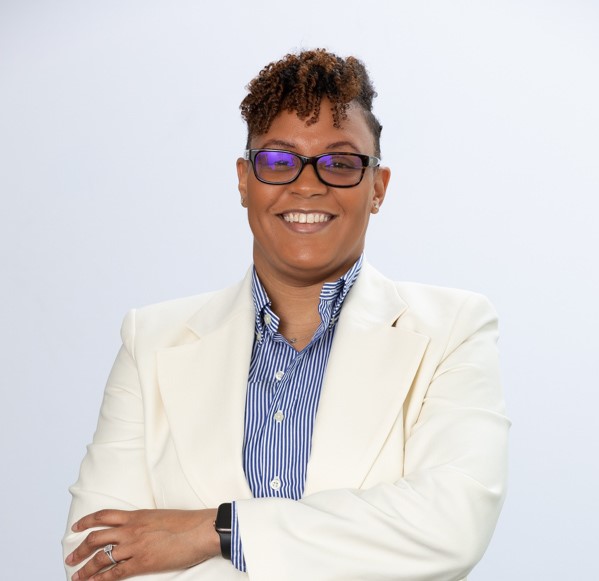
Dr. Denise Y. Wynn
A thoughtful pause can actually protect productivity, strengthen leadership, and support long-term success.
Intrigued ?
Introduction-Beata Leyland
Today I come to you with a topic more needed than ever.
In the Supply Chain and Logistics world, we deal with accidents, sometimes deadly rather frequently.
Last decades have greatly minimalized risk but this topic is still present.
How to handle grief at workplace?
How to deal with an employee who has cancer in the environment where all is about deadlines and pressure?
When I met Dr. Denisse during a business conference few weeks ago ( #MicrOrbit in Paris) we instantly had a click.
First, we both live in the South of the U.S. (at the end it’s all about food) but also because we see leadership and business using very similar lenses.
We would have way better workplaces if people who are true people leaders would be promoted to such roles.
On the other hand, there are not many tools in place which will teach and encourage good leaders to remain people leaders, lead with empathy and don’t create unnecessary tension.
We need good human beings as leaders if we truly want to change our workplace and this interview is about exactly that.
What to do when HR policies are not sufficient to handle difficult situations which all of us soon or later will face.

I’m Dr. Denise Y. Wynn, founder of Wynn Essentials.
I bring over 25 years of experience in research administration, with a background in accounting and information systems.
My career has spanned both pre- and post-award operations, leadership, and institutional strategy in higher education.
But beyond the technical side, my work has evolved into something deeper.
Through my experiences—and my own personal journey with loss—I recognized that workplaces often expect performance without acknowledging the human experience behind it.
That realization led me to create Permission to Pause and develop grief-informed leadership training.
Today, I help organizations build capacity not just in compliance and operations, but in compassion, resilience, and sustainable leadership.
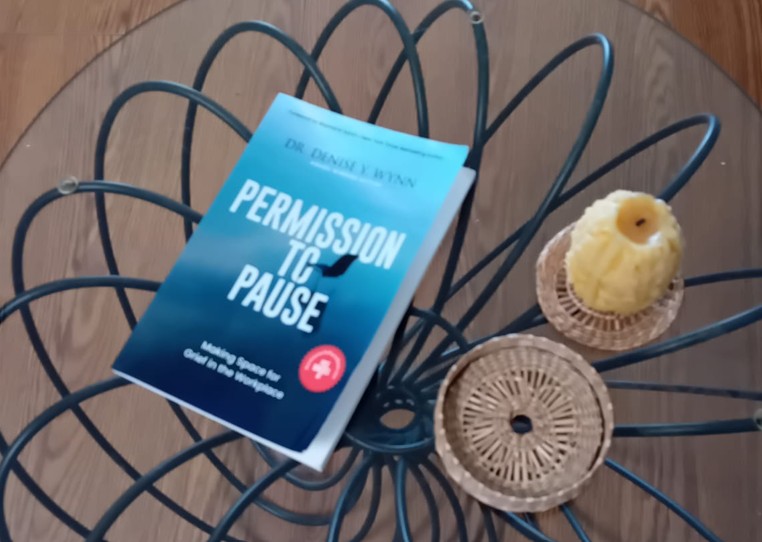
What does it mean for you to take a pause?
Taking a pause is not about stopping work—it’s about creating space to respond instead of react.
It’s a moment to check in with yourself, recognize what you’re carrying, and make intentional decisions rather than operating on autopilot.
For me, a pause is where clarity lives.
It’s where leaders reconnect with purpose,
where teams can reset,
and where we acknowledge that people are not machines.
Even a brief pause can shift how we lead, communicate, and show up for others.
What kind of leaders do we need to have a healthy workplace?
We need leaders who are both strategic and human-centered.
Leaders who understand that performance and well-being are not competing priorities—they are connected.
Healthy workplaces require leaders who practice empathy, communicate clearly, and create psychological safety. Leaders who listen, who are aware of what’s happening beneath the surface, and who are willing to adapt.
It’s not about having all the answers—it’s about being present, intentional, and responsive to the needs of your people.

When as a leader/boss is a time to step in and when to step out?
A leader should step in when there is confusion, risk, or when people are struggling without support.
That’s where clarity, direction, and protection matter most.
But strong leaders also know when to step out—when their team is capable, when growth requires space, and when trust needs to be demonstrated.
Stepping out doesn’t mean disengaging; it means empowering others while remaining available.
Leadership is a balance between guidance and trust.
Do you see a risk in pausing? (especially for small businesses)
Yes, there can be a perceived risk—especially in small businesses where every moment feels tied to survival.
But the bigger risk is never pausing at all.
Operating in constant urgency can lead to burnout, poor decision-making, and costly mistakes.
For small enterprises, pausing doesn’t have to mean slowing down operations.
It can be integrated into the workflow—brief check-ins, intentional decision points, or moments to reassess priorities.
Even a few minutes of reflection can prevent larger setbacks.
My message isn’t to stop the business—it’s to build sustainability into it.
A thoughtful pause can actually protect productivity, strengthen leadership, and support long-term success.