

Beata Leyland
Business Owner & Author of this article
Whatever you choose, start with an honest conversation, audit of all processes of receiving goods, going to the warehouse as often as possible to understand rather than judge.
Intrigued ?
In the last two articles we came across some basics about inventory.
How to organise it and why this is so important ( first article)
How to plan, organise and mitigate risk incl. warehousing ( 2nd article )
In this article I would like to focus on problematic areas like damaged goods.
It’ s something that always happens, yet many times is a marginalised problem. Let me debunk first myth.
Not all damaged goods and up in the garbage bin.
Some can be returned to manufacturer, re-used, sold in pieces or re-sold to another manufacturer, and it’s possible to claim reimbursement from insurance.
A good starting point is a system of recording it.
First, if you see that goods are damaged with receiving them you can file a claim quickly, solve it quickly and don’t create confusion in inventory count by treating such product as perfectly good one.
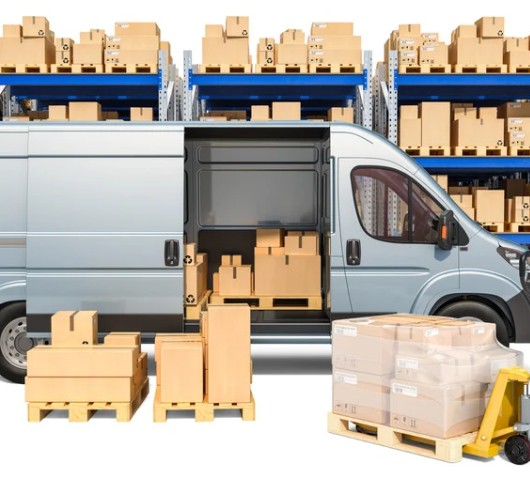
A huge part of goods is damaged during transport so mindful and careful good receiving is already a good start.
Maybe the same shipping company does all over again the same mistakes, like not applying proper security measures, or maybe they don’t use special belts to protect goods.
Perhaps it’s the way how your manufacturer packed goods.
All of that is a crucial starting point.
Nobody likes to deal with claims, so by sharing honest feedback, taking photos, you can stop the cycle very fast.
When you speak with the manufacturer or transport company instead of being nervous be firm and constructive; adding additional tension is not needed.
Once you receive such goods put them to aside to not be mixed with good inventory.
Evaluate what can be done.
Maybe you can repair or repack it to restore the value.
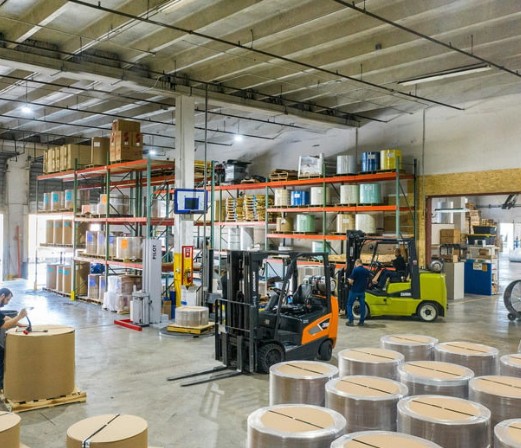
Often the inventory damage is done in the warehouses.
Sometimes the root cause might be conditions in the warehouse itself, i.e. humidity, or rats; or lack of training of people working in the warehouse.
If you run an Ecom business and you don’t have the luxury to go and see the warehouse, analyse your data carefully to see what the percentage of damaged goods is and simply ask for root causes.
The worst that could happen is sending the damaged item to your client so questions about systems in place not only software are very valid to raise while choosing 3PL or any other provider.
If you have the warehouse close to you, spend some time there.
See how people work, ask simple questions, try to understand how you can help your employees and don’t generate unnecessary costs.
Majority of root causes of damaged goods are preventable.

What about lost items?
In order to avoid it, a clean, well-organized place is the way to go.
Special shelves, regals, system how to place items, in which order, how to catalogue them to monitor expiration date all matter.
Train your staff.
If you have multiple SKUs, I am sure not all can be carried the same way.
Maybe some need to be on lower or upper shelves because of storage condition.
Make sure that they know how inventory is organised.
Good conditions for goods are priority in the end.
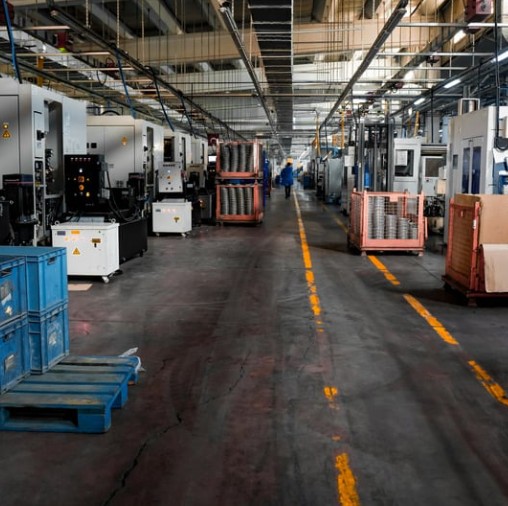
Regular inventory audits, reporting damages, writing off costs is a process that can look different for every company or even SKU.
The most important is fact that it must be done.
Inventory maintenance is really a huge savings opportunity once done right.
Many times, companies ask for external help because employees don’t feel comfortable to talk about negligence to the owner but are happy to disclose it as a “secret” to consultant. Consultant will come with a solution without drama and finger pointing and unnecessary tension can be prevented and the problem solved.
If you have inventory that can be repaired by your employees, create a tracker or some sort of list where items ready to be received as good inventory can be listed.
If goods are damaged to the point that you will not be able to use it, maybe a scrap company would be interested.
Or maybe it’s something that is a subject for reimbursement from insurance.
Whatever you choose, start with an honest conversation, audit of all processes of receiving goods, going to the warehouse as often as possible to understand rather than judge.
When people spot that you want to help not judge or punish, they will show you’re their pain points eagerly, trust me.
If you need someone who can help you with inventory management, creating simple and intuitive tools to track inventory, do the dirty work of asking relevant questions in order to understand and fix it we can gladly help you.
We’ve done it with big successes many times I am sure I can help you, too.
 Call us,
 Text us,
 Book a Consultation
We work on the global clock
Book a Consultation
We work on the global clock 