
Beata Leyland
Business Owner & Author of this article
Logistics can be very overwhelming, especially for someone who came across it a few times and the first contact came from with very straight-forward communication which is a signature for this industry.
Intrigued ?
Logistics is all about goods, both movement and storage (warehousing, inventory and transport).
The goal is to manage the flow of goods as best as possible and because of many external factors this sector tends to be very tense.
Solutions
Small businesses usually organise logistics on their own (cars, warehouse, someone who does customer care, packing of orders and inventory management).
Businesses with global outreach, even small ones can’t do it because of location issue.
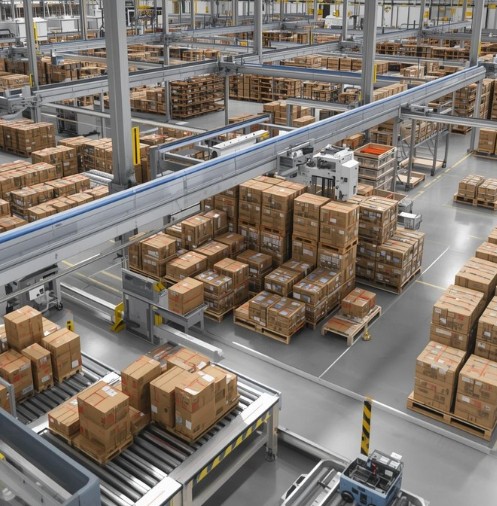
Here Fulfilment services / 3PL companies are very helpful.
3PL companies offer very complex services for someone who, for example, is located in Europe, has business in the U.S. and main sales market is in the U.S and sales channel is online.
Imagine that your product selling platform is Shopify or Etsy and you need someone to store your product, pack it, ship it to the client and deal with returns if needed too.
It’s a lot and 3PL companies handle small, mid-size and big companies.
By choosing a provider you need to make sure all costs are clear (it is very common that costs breakdown can be confusing), and that the company provides what are you searching for and of course offers insurance.
If you are a manufacturer selling your goods inside the country or exporting overseas you need a fleet of trucks (own fleet, 3rd party provider). Depending on type of the business and products it is important that goods are stored and protected during transport.
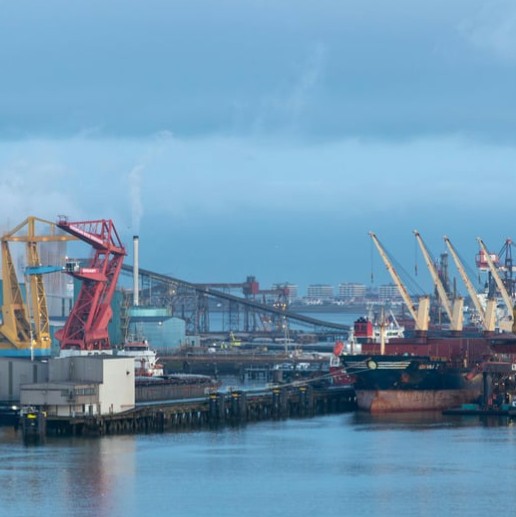
Overseas transport seems to be the most complex as you need someone to pack your goods at the port of the origin, load to the container, and unload at the port of destination.
Dictionary
FCL container means full container load.
The most popular size, 40ft is best for high-volume shipments, offering double the space of a 20ft.
External Dimensions: Length: 40 feet (12.2 meters) Width: 8 feet (2.44 meters)
Standard 20ft Container, dimensions: length 19ft 4in (5.89m), width 7ft 8in (2.33m) and height 7ft 10in (2.40m ), volume 1,170 cubic feet (33.1 m³)
Capacity: Max payload around 55,000 lbs (25,000 kg).
LCL means less than container load used by small and medium companies to share.
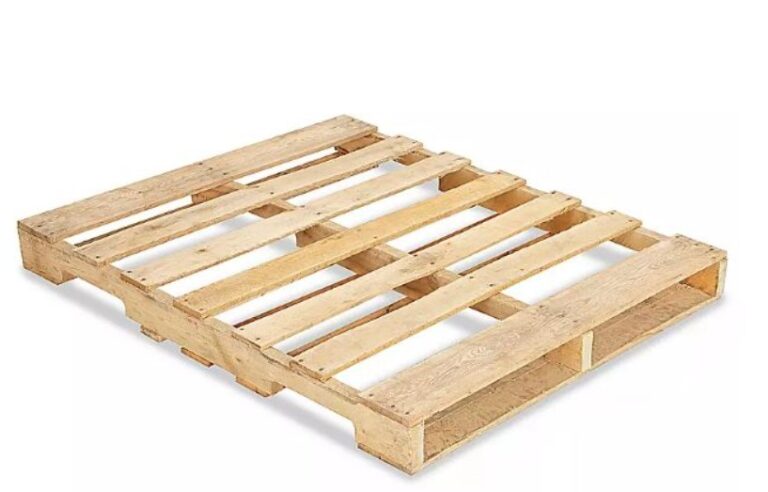
Here I should also introduce you to the pallet, a place where goods are stored in the warehouse, or during transport.
Standardisation greatly helps here with transport, organisation, and forklifts across the whole world.
We have 2 main types of pallets
- North America (Standard): 48″ x 40″ (1219mm x 1016mm)
- Europe (Euro Pallet): 1200mm x 800mm (approx. 47.2″ x 31.5″)
- Other Common Sizes:
- 42″ x 42″: For paint and other cylindrical goods.
- 48″ x 48″: For larger drums and industrial containers.
Key Characteristics:
- Height: Around 6 inches (15 cm) for standard pallets.
- Weight: Typically 30-48 lbs (14-22 kg) for wood pallets, varying by wood type and moisture.
- Load Capacity: Can hold thousands of pounds, often up to 4,600 lbs, depending on construction.
Pallets usually are made from wood, but increasingly you can also see pallets made from steel or plastic.
Why it is so important to know something about pallets?
If you can rent whole container, or LCL container you will be charged by pallet so it’s good to know how much you can fit there and better assess costs.
Samples are many times sold by pallets so knowing your unit measure is easier for understanding your manufacturer.
Depending on which type of transport you use your delivery time can differ (overseas view).
The fastest is airfreight, but also the most expensive. Usually, small samples are sent via airfreight, but you can also send pallets via airfreight too, but the costs will be very high.
Sea freight takes longer to be delivered especially if we think about delivery between Asia and Europe, or Asia and North America. Positives of sea freight are low costs, and plenty of possibilities to choose from.
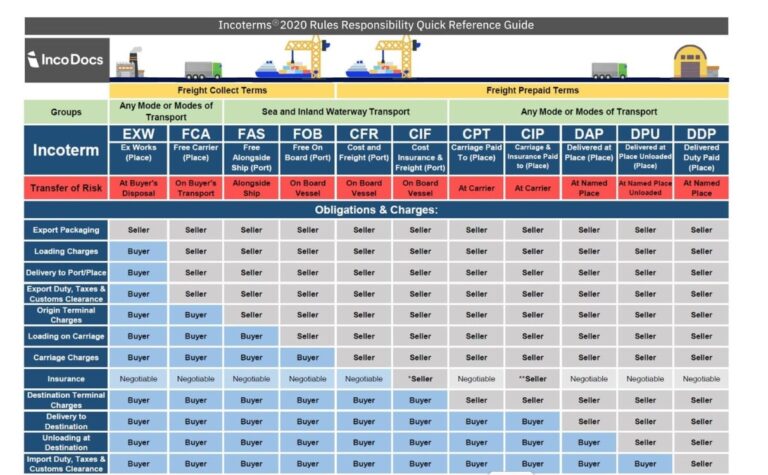
Worth to know terms are incoterms, which are rules which define who pays for what from manufacturer plant at location A to the warehouse of the seller at the final destination.
They are worth to print and have it somewhere at your desk as they are super handy during negotiations.
How to talk with companies?
Be prepared.
Know what you want to send, how many pallets, kg /lbs, and dimensions of goods (loaded pallet).
Logistic companies need to have basic information to prepare you an offer/estimate By being prepared you save yourself and them a lot of time.
It’s a very stressful job so don’t expect very nice customer service (doesn’t mean rude one either). Simply know that they deal with many shipments per day and they can’t do your job for you.
Ask for insurance and packaging.
Companies have always plenty of great packaging solutions customised to additionally secure your goods.
If you order seafood, batteries, or medicines, talk about it upfront as not all companies do it, and for the ones who do additional conditions have to be met (paperwork, insurance, special packaging, ice etc).
Now you are ready to book your first transport, simply remember that your work starts from your own warehouse and data collection, otherwise you will have a very frustrating back and forth day.
Good luck!!!
If you need assistance with choosing proper logistic partners, inventory management, or risk management we are here to help, just contact us.
Our response time is less than 12h